I Can't Make Everyone Happy Graphics and Crafts
As a designer who regularly works on branding, marketing visuals, and digital design assets, I often encounter creative tools that either fit perfectly into a project or fall short of expectations. The I Can't Make Everyone Happy graphic design asset is one that offers a unique visual mood and can be a valuable addition to certain client projects. But like any design element, it requires careful consideration before being integrated into a professional workflow.
First Impressions: A Playful Yet Thoughtful Visual
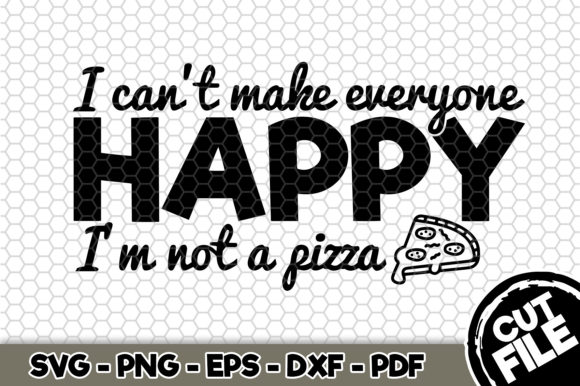
The I Can't Make Everyone Happy design immediately conveys a sense of humor and self-awareness. It’s a bold statement wrapped in a simple, yet impactful visual. The phrase “I’m not pizza” adds a layer of personality, making it feel more like a personal manifesto than a generic quote. This kind of tone can be incredibly effective for brands that want to communicate authenticity, especially in the handmade business or small business branding space.
The style leans toward a casual, hand-drawn aesthetic with a touch of whimsy. It’s not overly polished, but that’s part of its charm. For a client looking to create a fun, relatable brand identity, this could be a great starting point. However, it’s important to note that the design’s simplicity may not suit all types of projects.
Real-World Design Applications
This graphic design asset can be used across a wide range of creative design projects. In logo design, it could serve as a secondary element or tagline, especially for businesses that want to emphasize their individuality. In product labels or packaging design, it can add a memorable touch that resonates with customers.
For print-on-demand sellers or Etsy products, the I Can't Make Everyone Happy design could be an eye-catching element for t-shirt design, mug art, or tote bag prints. It also works well in social media graphics, where a playful message can boost engagement. When placed on a product mockup, it can help visualize how a design will look in real-world applications.
In editorial design or Canva templates, this asset could act as a decorative accent or a central theme for a campaign. It’s particularly useful when the goal is to evoke emotion or create a connection with the audience.
Best Use Cases: Where It Shines
The I Can't Make Everyone Happy design excels in large layout areas, such as hero graphics or background elements in a digital ad. It can also be a strong supporting brand element in a design bundle or creative marketplace offering. Its versatility makes it suitable for themed collections, seasonal campaigns, or even as part of a sticker design set.
When used as a printable design or SVG design, it can be easily scaled and adapted for different formats. It also works well in sublimation design or stickers, where a bold, clear message is essential.
Caution: Where It May Not Fit
While the I Can't Make Everyone Happy design has its strengths, it’s not universally applicable. In minimalist branding or professional corporate materials, it might feel out of place. Similarly, in crowded layouts or complex backgrounds, the message could get lost or appear cluttered.
It’s also important to consider visual hierarchy when using this asset. If the design is too prominent, it could overshadow other key elements of a project. In low-contrast designs or when used at small sizes, the text may become difficult to read.
Design Considerations Before Use
Before integrating this graphic design asset into a client project, there are several practical steps a designer should take. First, test it in black and white to see how it holds up without color. Check contrast on both light and dark backgrounds to ensure legibility in different contexts.
Preview the design at various sizes to confirm that it remains clear and readable. Place it on real mockups—whether for a t-shirt design, packaging design, or website graphics—to see how it performs in actual use cases.
If the file includes PNG transparency, inspect it carefully to ensure there are no unwanted artifacts. For SVG or vector files, verify that they are editable and scalable without loss of quality. Compare the font styles to see how it looks in different typefaces, from serif to script to display fonts.
Finally, always confirm the commercial license to ensure that the asset can be used legally for a client’s business or project. This is especially crucial for print-on-demand or Etsy product creators who rely on legal compliance.
Conclusion: A Unique Asset for the Right Project
The I Can't Make Everyone Happy design is a great example of how a simple message can carry significant emotional weight. It’s ideal for brands that want to express personality, humor, or a sense of individuality. Whether used in handmade business branding, small business branding, or social media graphics, it can add a fresh perspective to a design concept.
However, like any design element, it must be used thoughtfully. Understanding its strengths and limitations ensures that it enhances, rather than detracts from, the overall visual communication of a project. For designers seeking a creative tool that balances fun with professionalism, this asset is worth considering—but only when it aligns with the project’s goals and audience.